
Mswaka Discusses Ethiopian Coffee Cooperatives on The Academic Minute
October 22, 2026
By Jo Marie Hebeler
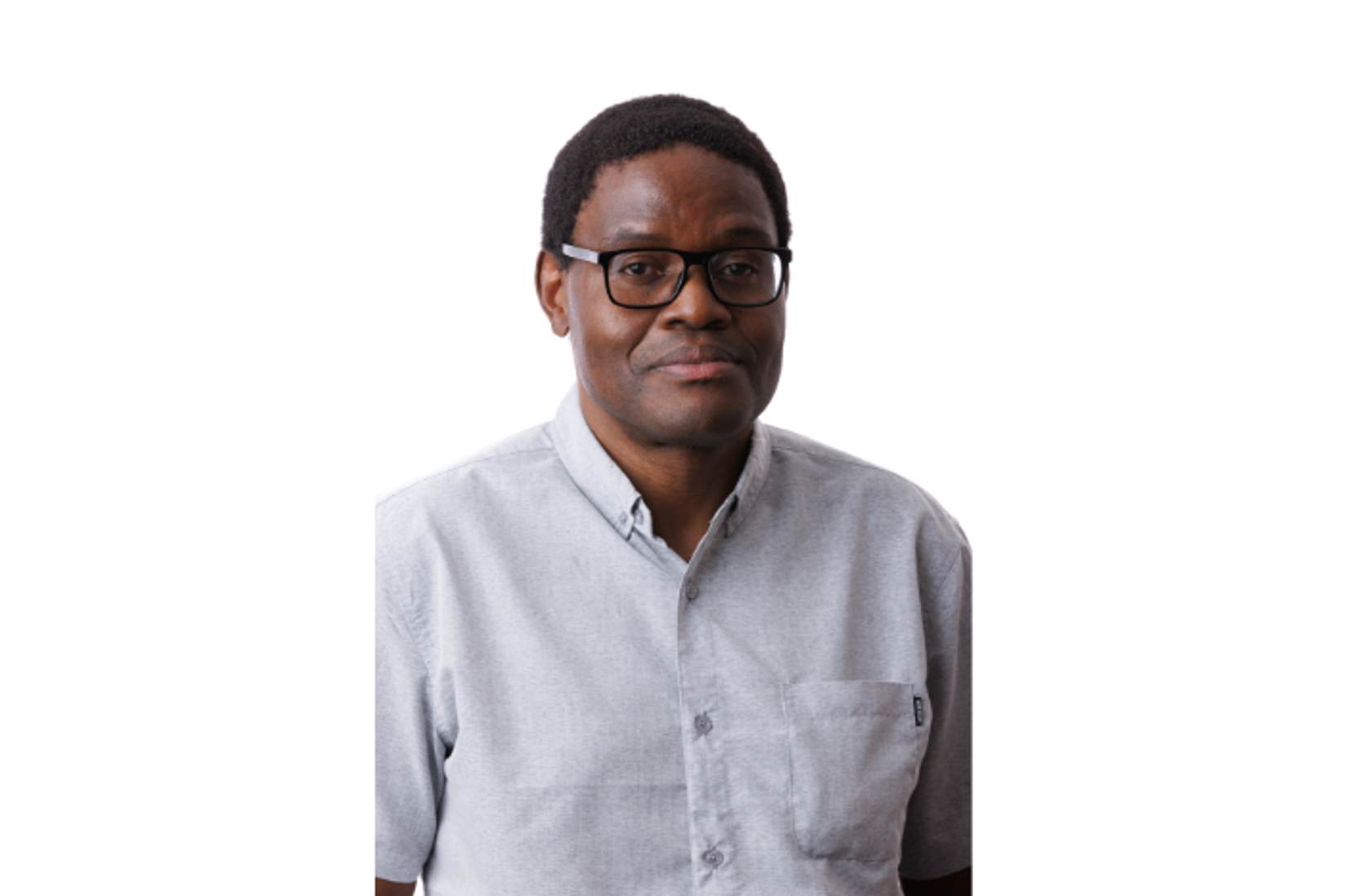
Walter Mswaka, an associate professor of Social Entrepreneurship at Rollins College, has spent more than two decades working with social enterprises across diverse economic and cultural settings, including Ethiopia, Zambia, Brazil, Nepal, and the United Kingdom. He discussed the evolving role of cooperatives in Ethiopia's coffee Industry on The Academic Minute, produced by NPR affiliate WAMC and hosted by Association of American Colleges & Universities President Lynn Pasquerella, which airs on more than 70 NPR member stations across the country.
Mswaka’s research focuses on how organizations can create sustainable social and economic impact, with particular expertise in social entrepreneurship, entrepreneurial finance, business strategy, and nongovernmental organizations.
One area of Mswaka’s recent research examines the role of coffee-marketing cooperatives in Ethiopia, the largest coffee-producing nation in Africa. According to Mswaka, coffee is central to both the country’s economy and the livelihoods of millions of people. “Ethiopia is the largest coffee producer in Africa with over 10 million people involved in the production of coffee,” he said. “Ethiopian coffee is valued globally and is a vital crop to the Ethiopian people, given the large percentage of households that depend on coffee production and sales.”
Mswaka’s research highlights the significant role cooperatives play in supporting economic development at the local level. “The coffee-marketing cooperatives of Ethiopia represent the very essence of the coffee business in that country,” he said, noting that they help increase incomes, improve living conditions, create employment opportunities and stimulate grassroots economic activity.
Despite their importance, Mswaka found that these organizations face ongoing challenges related to resilience and long-term sustainability. “My research has shed new light on how they operate and deliver value, and how they are affected by national, internal and external stakeholders and institutional rules,” he said.
Using a multiple-case study approach, Mswaka and his research team examined three small coffee-marketing cooperatives in southwest Ethiopia. Through separate focus-group interviews with management committees and cooperative members, the researchers explored governance structures, leadership selection processes, committee responsibilities, member relationships and financial sustainability.
The findings revealed that while Ethiopian cooperatives are deeply embedded in the communities they serve and provide meaningful financial benefits to members, they operate within far more complex governance systems than previously understood. “While current literature suggests that the cooperatives have democratic governance models, closer scrutiny reveals that these organizations have complex governance structures,” Mswaka said.
The research underscores the need for a greater understanding of the external forces that shape cooperative governance and decision-making. Importantly, Mswaka said the study has already demonstrated measurable impact. “Our findings have had an impact on both increasing coffee production and increasing the number of women involved in the cooperatives,” he said, highlighting the potential for research-driven solutions to strengthen community resilience and economic opportunity.
Related News
May 19, 2029
DO NOT PUBLISH Rollins President Brooke Barnett Co-Authors Inside Higher Ed Essay on Evaluating Advancement Teams
Rollins President Brooke Barnett co-authored an Inside Higher Ed essay offering academic leaders a framework for evaluating institutional advancement teams.
November 02, 2026
The Power of Perspective
From Rollins to Cambridge and now law school at the University of Chicago, Ferah Shaikh ’24 is using her education to lead a life of service.
October 28, 2026
Richter Explains Hollywood’s Mid-Atlantic Accent
Nicole Richter, chair of Critical Media and Cultural Studies and director of film studies at Rollins College, assessed the Mid-Atlantic accent in films for this Trill Magazine feature. Richter states that the cultural associations tied to the accent are learned rather than universal.