
Biology Professor Discusses the Sloth World Tragedy
May 01, 2026
By Jo Marie Hebeler
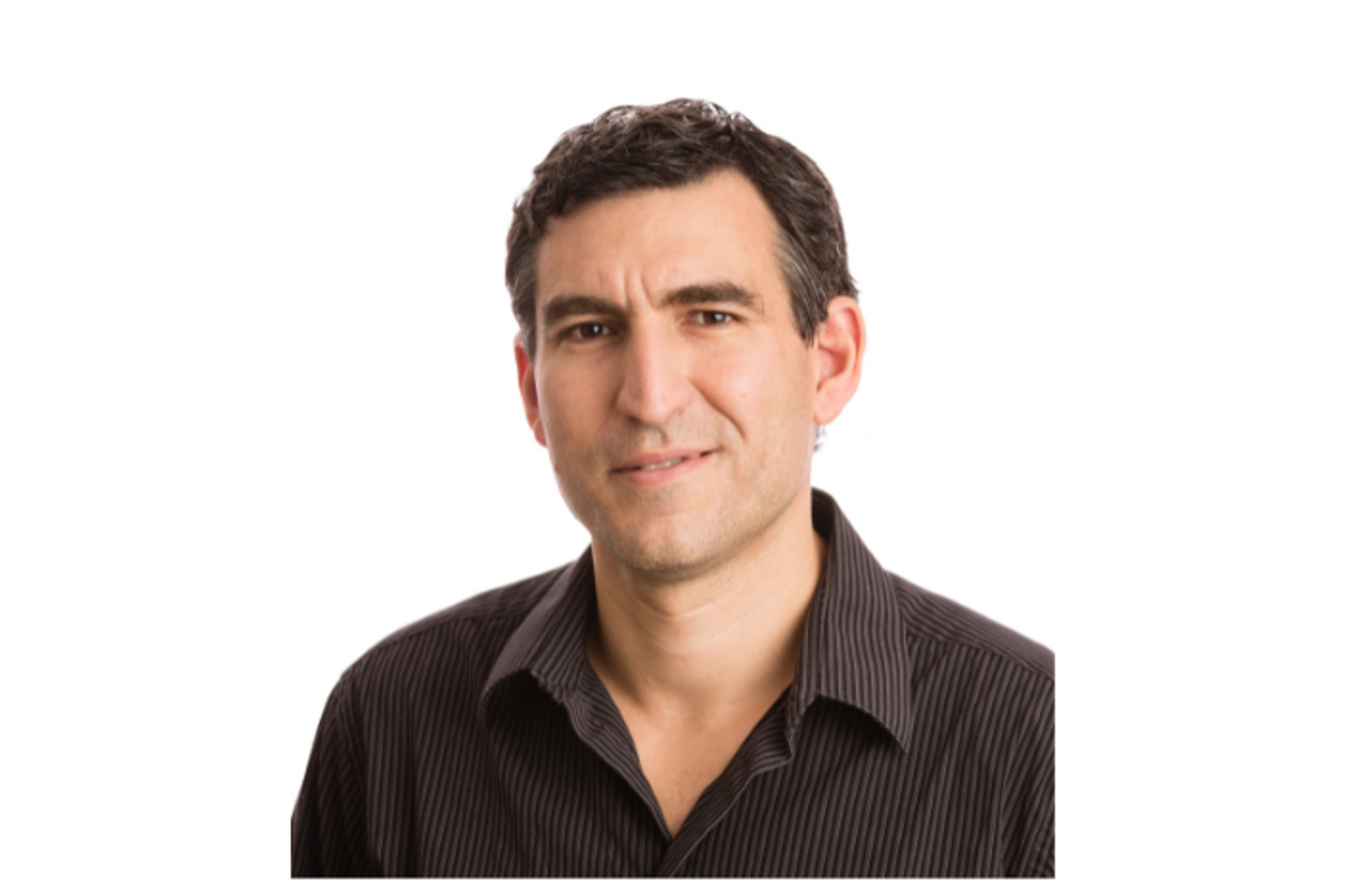
Bobby Fokidis, a Rollins College biology professor and animal physiologist, discusses the Sloth World attraction and the animal welfare concerns it has raised on Central Florida Public Media’s ENGAGE.
A planned Orlando animal attraction is under scrutiny after dozens of sloths died, as zoo rescuers work to save the surviving animals.
The chain of events that killed dozens of sloths brought to Central Florida as part of a proposed Sloth World attraction is sparking outrage.
The animals were imported from South America and transferred to a warehouse on I-drive in the heart of Orlando’s tourist district. The Florida Fish and Wildlife Conservation Commission inspection records of Sloth World show that facility intended to house multiple shipments of sloths lacked consistent power, water, and reliable heat.
Thirteen sloths survived. They were brought to the Central Florida Zoo in need of around-the-clock care. Unfortunately, one of them named Bandit had to be euthanized after becoming unresponsive yesterday. That was despite continuous care from vets including fluid therapy, assisted feedings, blood monitoring, and vitamin and glucose supplementations.
Richard Glover, CEO of the Central Florida Zoo and Botanical Gardens, says the other 12 are stable. He is cautiously optimistic but wants people to understand that the sloths all have serious issues and none of them were healthy when they arrived on Friday, April 24. Glover says they picked up the sloths and brought them back to the zoo after the owner of Sloth World called and asked if they would be interested in taking the animals. Glover discusses the rescue efforts and ways the public can support them.
State investigators looking into Sloth World report that many died from cold stress, while others arrived in poor health and did not survive. The investigation also found that additional sloths continued to die even after the state began looking into the operation.
Fokidis explains why sloths are especially vulnerable to transport stress and the animal welfare concerns that come with it. “It was entirely preventable. I think simply put. They weren't ready for housing a bunch of animals. So hopefully, next time you visit a place where you have some concerns, you will raise them, discuss them, find out more, and report them if necessary,” said Fokidis.
Listen to the complete interview here:
Related News
May 05, 2026
Orlando Sentinel Looks Back on Environmental Issues in Central Florida
Leslie Poole, an associate professor of environmental studies at Rollins College, provided expertise on the history of The Florida Audubon Society for this article, published as part of the Orlando Sentinel’s 150th birthday.
May 04, 2026
Lessons from the Top
This year’s valedictorians share highlights from their time at Rollins, how the College connected them to their purpose, and what’s next in their meaningful lives and productive careers.
April 30, 2026
Political Science Professor Sheds Light on Florida’s Redistricting Special Session
Patrick Rickert, an assistant professor of political science at Rollins, joined FOX 13 News Tampa Bay to explain why the stakes extend beyond simple map-making when it comes to redistricting.